
Brake Pads Working Principles for B2B Buyers | BST Auto Parts
Brake pads are critical wear items that convert hydraulic pressure into controlled friction at the rotor. For distributors and B2B buyers, mastering brake pads working principles is key to asking the right specification questions. A professional brake pad manufacturer should clearly explain how friction materials and hardware function together, rather than treating the product as a commodity.
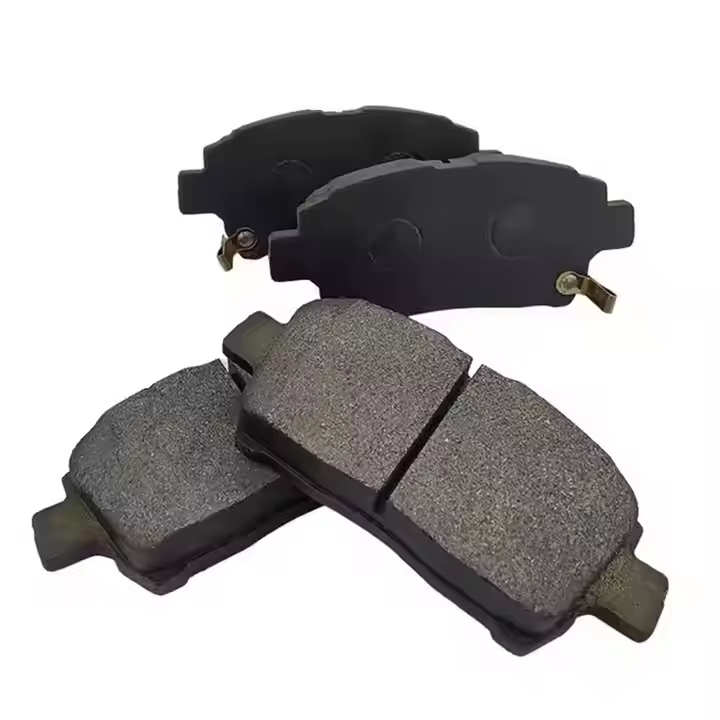
What Brake Pads Do in a Braking System
Brake pads sit inside the brake caliper and face the brake rotor. When the driver applies the brake pedal, hydraulic pressure moves the caliper piston, which presses the pad against the rotating rotor. The resulting friction slows the wheel. This basic sequence is the same across many passenger and commercial vehicle designs, although caliper type, rotor design, and vehicle load can vary.
From pedal force to friction
The brake system multiplies and transmits force. The pedal linkage and vacuum or hydraulic assistance create pressure in the brake fluid. That pressure acts on the caliper piston, and the piston applies force to the brake pad. The pad does not stop the vehicle by itself. It works as part of a system that includes the rotor, caliper, hydraulic lines, and control electronics in modern vehicles.
Pad, rotor, and caliper relationship
Pad-to-rotor contact must be consistent. If the pad backing plate is not stiff enough for the application, or if shims and hardware do not fit correctly, the pad may not apply pressure evenly. Uneven contact can affect noise, vibration, and wear patterns. For a brake pads manufacturer, dimensional control and stable friction behavior matter because the pad must interface with components that are not made by the same supplier.
Core Working Principle: Controlled Friction and Heat
Braking is an energy conversion process. The vehicle has kinetic energy while moving, and braking converts much of that energy into heat through friction. Brake pads are designed to provide friction while managing heat, wear, and noise within the limits of the application.
Kinetic energy becomes heat
During braking, the pad and rotor generate heat at the contact surface. Some heat is absorbed by the pad, some by the rotor, and some is transferred to the caliper and surrounding air. The friction material must remain stable as temperature changes. This is why friction material formulation and manufacturing consistency are central to brake pad performance.
Friction film and bedding-in
New brake pads and rotors do not reach their intended contact behavior immediately. A transfer layer, often called a friction film, develops on the rotor surface during use. Bedding-in is the process of establishing this layer through a series of controlled stops or specified driving procedures. The exact procedure depends on the pad and vehicle application, so buyers should ask the brake pads manufacturer for application-specific guidance rather than assuming one universal method.
Heat management and fade resistance
As brake temperature rises, friction output can change. Fade is the loss of braking effectiveness under sustained or repeated heat input. Friction material composition, pad mass, rotor ventilation, and vehicle cooling all influence heat management. B2B buyers should not compare brake pads by a single headline claim. Instead, they should review how the product is intended to perform across the expected operating conditions.
Anatomy of a Brake Pad
A brake pad is an assembly, not just a block of friction material. Each layer and feature has a function, and the interaction between them affects installation, noise, and service life.
Friction material
The friction material is the part that contacts the rotor. It may include a blend of fibers, binders, fillers, lubricants, and abrasives selected to balance friction, wear, heat resistance, and noise characteristics. The formulation must be matched to the vehicle class, braking demands, and market requirements.
Backing plate and shims
The backing plate supports the friction material and transfers force from the caliper piston. Shims and other noise-damping layers are often added to reduce vibration transmission. The attachment between friction material and backing plate must be robust, and the backing plate must maintain flatness and dimensional accuracy.
Slots, chamfers, and hardware
Slots and chamfers can influence contact pressure distribution, debris handling, and noise behavior. Retaining clips, wear indicators, and other hardware help the pad fit and function within the caliper assembly. A brake pads manufacturer should control these features as part of the complete product, because small dimensional errors can create installation or performance issues.
Common Friction Material Categories
Friction materials are often grouped into broad categories. These categories are useful for initial specification discussions, but actual performance depends on the formulation and manufacturing process, not the category name alone.
Non-asbestos organic materials
Non-asbestos organic friction materials typically use organic fibers and other ingredients. They can be formulated for everyday driving applications, with attention to noise and rotor wear. Buyers should confirm that the product meets the relevant market requirements and is suitable for the intended vehicle use.
Semi-metallic materials
Semi-metallic materials include metallic content to support heat dissipation and friction stability. They are often considered for applications with higher thermal loads, but material choice must be balanced against noise, rotor wear, and customer expectations.
Ceramic and low-metallic options
Ceramic and low-metallic formulations can be used to target different balances of noise, dust, wear, and braking feel. The terms are not strict performance guarantees. A brake pads manufacturer should provide technical documentation and application guidance so buyers can compare products on a consistent basis.
Matching material to application
Material selection should start with the vehicle and duty cycle. Passenger cars, light commercial vehicles, and heavy-duty applications place different demands on brake pads. Driving conditions such as urban stop-and-go use, mountain descents, towing, and high-speed highway braking can change thermal loads. B2B buyers should define the application before selecting a friction category.
What This Means for B2B Specification
Understanding how brake pads work helps buyers ask better questions and avoid comparing products only by price. For distributors and workshops, the right brake pad is the one that fits the application, meets the relevant requirements, and is supported by reliable technical information.
Define the application profile
Start with vehicle type, axle position, braking system design, expected load, and driving environment. If the product is intended for multiple markets, confirm that the specification meets each market’s requirements. Do not assume that a pad listed for one application is automatically suitable for another.
Review supplier process and documentation
A brake pads manufacturer should be able to explain material control, mixing, forming, curing, finishing, and inspection steps in general terms. Buyers can request relevant quality documentation, batch traceability information, and fitment data. These requests should be matched to the buyer’s own compliance and sourcing requirements.
Consider installation and after-sales support
Brake pads are only one part of a brake service. Rotor condition, caliper function, fluid condition, and correct installation all affect results. Suppliers can support distributors and workshops with fitment information, bedding-in guidance, and troubleshooting references. Clear installation instructions help reduce avoidable returns and complaints.
Practical Operational Notes
For workshops and distributors, basic working principles translate into everyday checks. Brake pads should be inspected as part of a complete brake system evaluation, not in isolation.
Installation and bedding-in
Follow the vehicle manufacturer and brake pad manufacturer instructions. Clean and inspect mating surfaces, confirm correct hardware, and check rotor condition before installation. After installation, use the recommended bedding-in procedure if one is specified. Avoid treating bedding-in as a universal process across all pads and vehicles.
Inspection and replacement signals
Inspection should consider friction material thickness, uneven wear, backing plate condition, shim condition, rotor surface, and caliper operation. Noise alone is not a reliable diagnosis. A systematic inspection helps identify whether the brake pads, rotor, or another brake component is the source of the concern.
Conclusion
Brake pads work through controlled friction, heat management, and stable contact with the rotor. Their performance depends on friction material formulation, pad construction, vehicle application, and correct installation. For B2B buyers, a clear understanding of these basics makes it easier to evaluate a brake pads manufacturer, define suitable specifications, and support customers with accurate technical guidance.
If you are interested in our products, please click Brake pads . You can also contact us